Hard Things

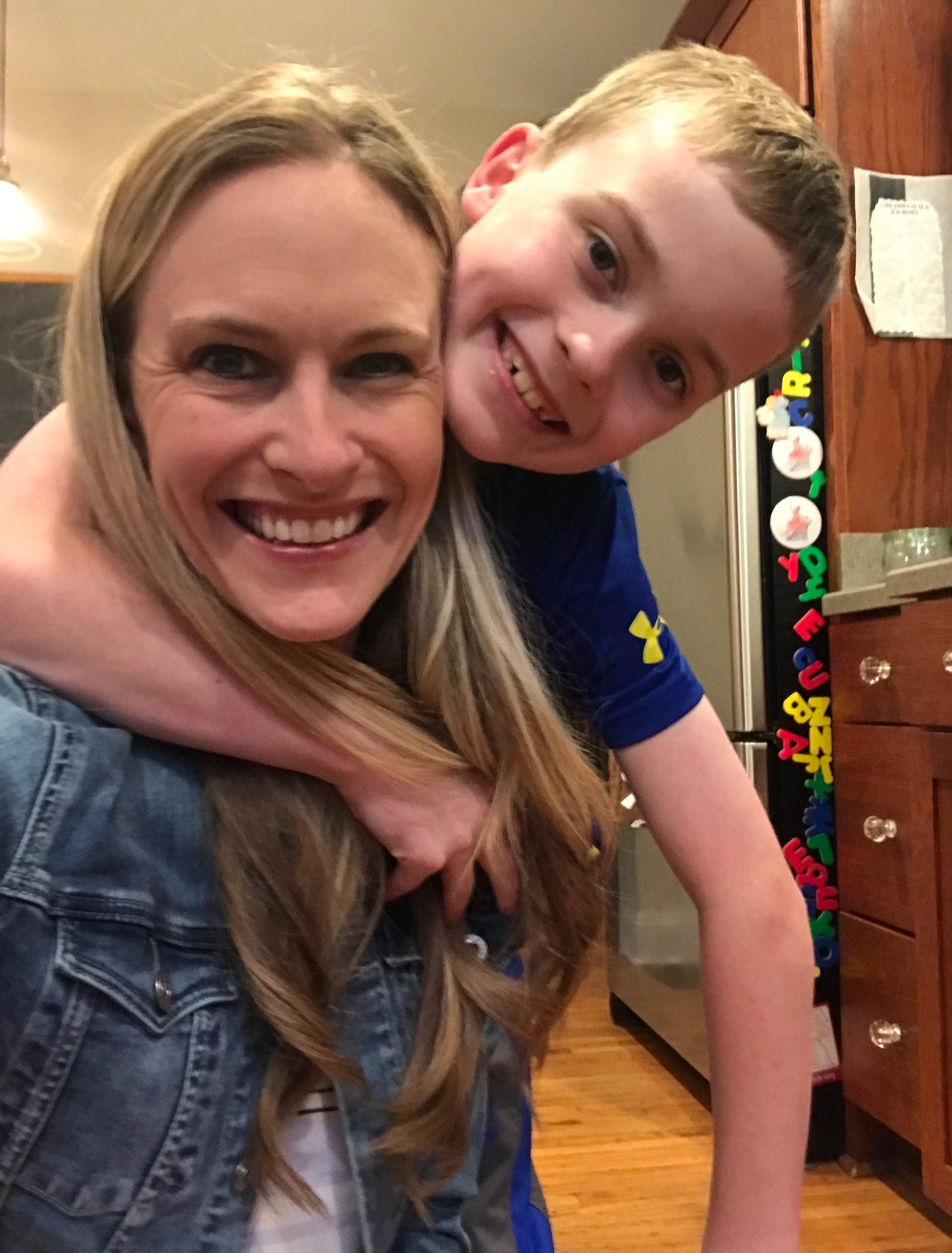
Laundry has long been a complicated endeavor in my home. Brady couldn’t ever be left alone, because his breathing could turn in an instant. That meant even washing a simple load of clothes became a logistical Olympic event. Our washer and dryer are in the basement. Brady’s chair was on the main floor. And with five people in the house, laundry piled up fast.
I used a FaceTime monitor system to manage small tasks, like laundry, so I didn’t have to drag Brady all over the house when he was more comfortable in his chair. One phone on him, one on me. We could see and hear each other while I sprinted up and down the stairs to throw in a load of laundry. Inevitably, he would cough or start to struggle the second I left the room. His breathing episodes demanded instant attention, and the longer it took to fix them, the worse they became. His urgency was real and warranted.
I learned to prepare ahead, sorting piles on weeknights or weekends when the rest of the family was home to sit with Goose. During the week, I would dart downstairs in short, stolen bursts between therapies and Brady’s minute-by-minute care. I folded laundry beside him on the ottoman, quietly reclaiming the smallest sense of order while his movies played in the background.
Then I would sort clean piles by family member, and run them upstairs one by one, ensuring I was never too far for too long. I was an Olympic-speed laundry champion.
The night before Brady died, I had washed a load of laundry and forgotten about it. The next evening, after my world had been torn in two, I went downstairs for dog food, because dogs still have to eat. I saw the laundry. Out of reflex, I grabbed it and brought it upstairs to fold it in my usual spot on the ottoman, near the strange emptiness where his chair had been just days before. They had done CPR on my perfect boy for thirty minutes right beside that ottoman. It felt surreal to do something so ordinary in such a sacred space. We were not even sure if we were comfortable using the room again. But I started folding.
His flannel pants. His socks. His underwear. His favorite tee shirts. I realized I no longer knew what to do. Do you keep socks? Underwear? Is it okay if we wear his shirts when we miss him? What happens to these small, ordinary things when the person they belonged to is gone? Will I still have a drawer of his clothes forty years from now? Would that be strange? I cried over his underwear for two hours.
This is the part no one prepares you for. The new day after day after day after day, repeated endlessly. Finding tiny, unremarkable things like his toothbrush and toothpaste that suddenly carry unbearable weight. A new set of g-tube pads arrived in the mail three days after he died. The computer he painstakingly typed messages on is tucked under the couch, his little fingerprints still on the keys. I don’t want to touch them and smear them away.
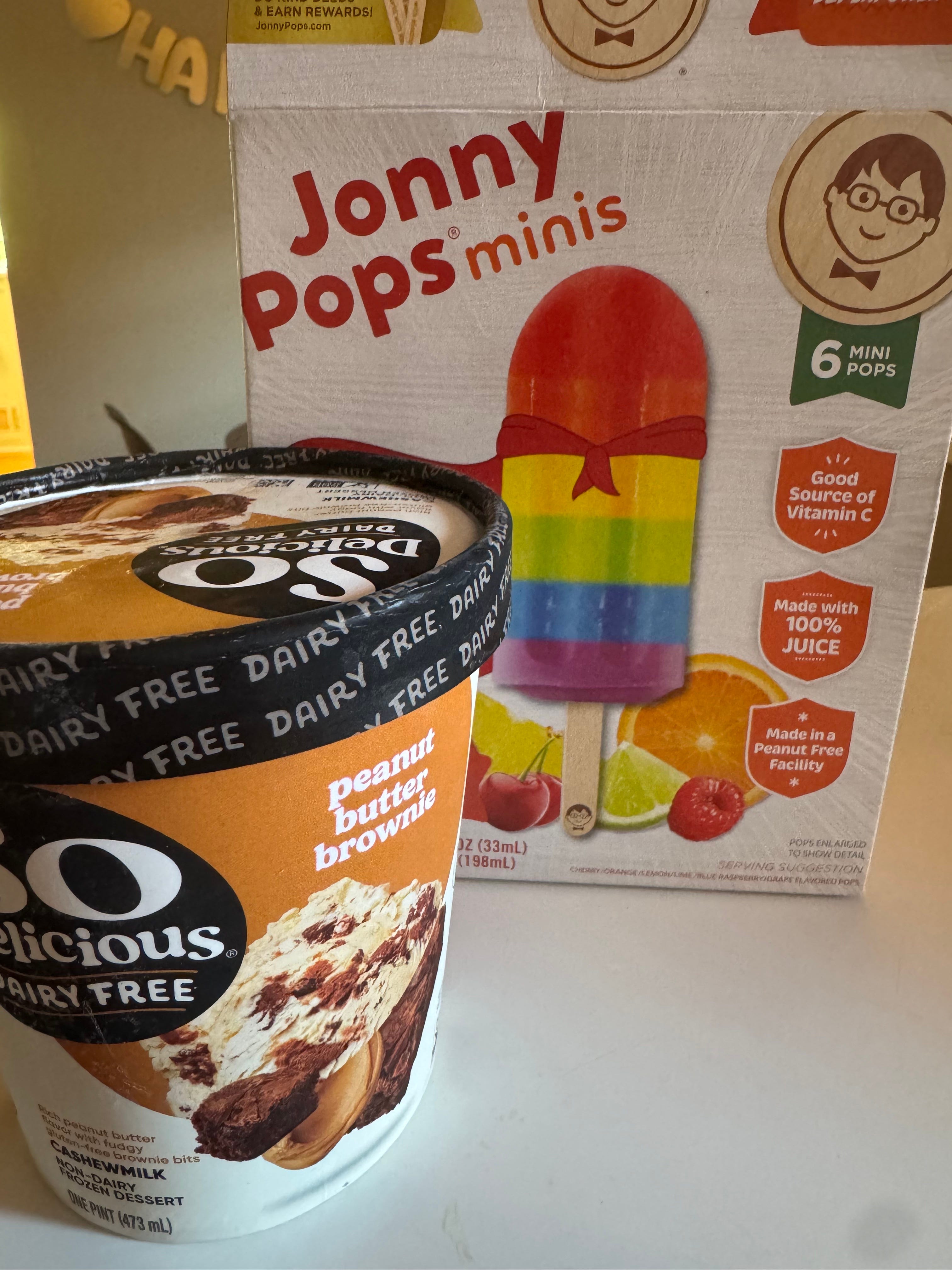
There was one popsicle left in his box. A container of ice cream with just a few bites gone. These were his special foods, the ones he could only eat when he was confident it would work. He had waited three years to taste them again and delighted in every bite.
And now, here they are: melting symbols of all that waiting and his deafening absence. Is it dumb to keep a popsicle box?
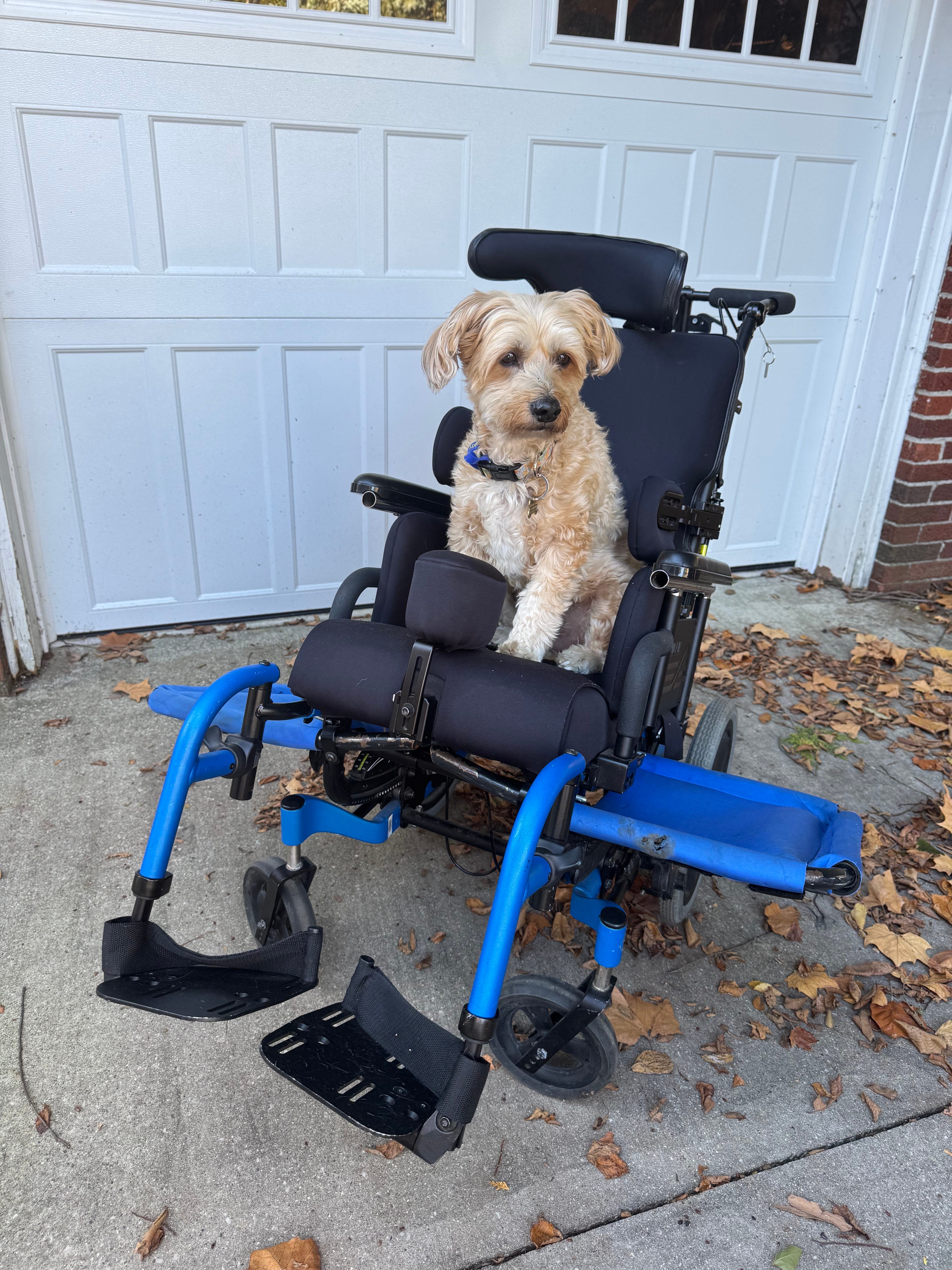
And then there is his wheelchair.
If you’ve ever cared for a medically complex child, you know the constant war against insurance companies for the most basic necessities. The forms, the denials, the appeals, all for things that literally keep your child alive. Brady’s wheelchair took years to secure. It was custom-built, engineered for his body, a brilliant electric blue he chose himself. When it finally arrived, it gave us a new level of freedom. The chair was an insurance victory, worth every moment of battle. We loved the wheelchair team that crafted the chair. They made him feel seen and important. He looked forward to seeing them for tune ups.
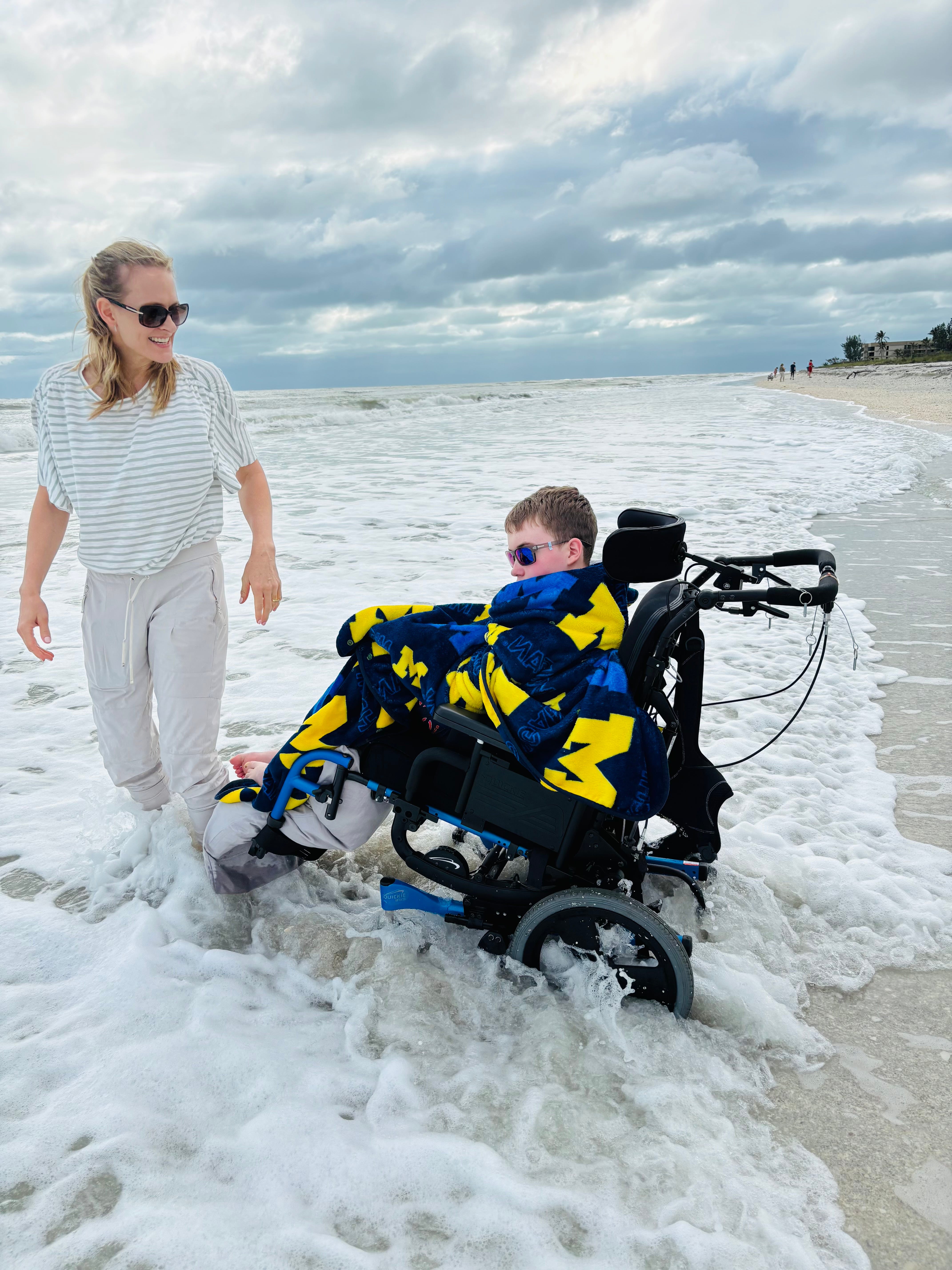
The wheelchair supported him. Protected him. Made it easier to push. It was far more comfortable than his old one, though he still couldn’t tolerate long stretches in it. The chair had space for his suction machine and g-tube food, seats for the dogs, and enough stability to take him over grass and gravel and sand. We had so many adventures in that chair. My favorite was maybe when I dragged him into the ocean in Florida this past Spring Break to look for shells.
When something broke, we had to fight insurance again: $1,500 to fix the brakes and footrest, and endless waiting for a new headrest and updated seat that was never approved. Maybe it wasn’t a complete victory.
After he died, I took the wheelchair out of my car and put it in the garage. Every time I brushed the handles, muscle memory took over. When I pushed it, it felt like touching him, or like if I looked down, he’d be sitting there. My hands remembered. Our garage is small, and the chair blocked the garbage cans. I had to move it a few days in a row, and I cried every time I touched it. I realized the chair held happy memories, but was also a villain. Brady deserved to be on his own two feet. And today he is. We do not need the chair in the garage making me cry.
So last week, I donated it. It went to a company that matches chairs like Brady’s free of charge to people who can’t get them approved by insurance. This should be a crime, but that’s another story.
I sent them photos of Brady in his chair with the puppy rockets. I asked if it could go to another little boy with a dog, if possible. I don’t know if it will? But I hope it does. Donating the chair felt like the right thing to do, but it still destroyed me for a full afternoon. I loaded it into a van driven by a kind man who was so sorry about Brady. I explained how everything worked. But you can’t transfer memories, and they will never know that Brady chose that electric blue color, that it collected sand in its nooks and crannies at the same exact ocean beach Brady once ran on as he flew a kite in Florida, that it once had a Maxwell Hammock, that I tucked my boy into the chair breathless and happy after riding a roller coaster again, or how precious the puppy rockets were to the boy who occupied it first. So many happy moments in the beautiful villainous chair he should never have needed.
My grand takeaway from a few hard things from this week is that grief isn’t necessarily always about big moments. It’s the countless small ones that are perhaps a bit worse. His folded laundry, a popsicle box, a well-loved wheelchair in a too-small garage. All the ordinary things that aren’t ordinary anymore.
But love works that way too. It’s built from the little things.
I miss the way his hair smelled after a shower, how he had strong opinions about which T-shirt to wear. How he loved trinkets and treasures. I miss the sound of The Lord of the Rings humming softly in the background, and the way he held my hand. The way he snuggled his dogs at night. I miss his hugs. I miss his delight in rainbow popsicles.
And I miss folding his laundry.
This is so beautifully written. Every paragraph brought tears to my eyes thinking about all the little things you loved so much about Brady. It's often the things we take for granted – or at least don't think about much in the moment – that are so valuable about the people we love. While I know the level of grief you must have for missing Brady is immense, please know that your writing is so inspirational that it has reminded me to try and appreciate those small things, because you never know when you might not have access to them anymore. All the love to you and your family, always. ❤️
I love the picture of you and Brady. He looks so much like you!